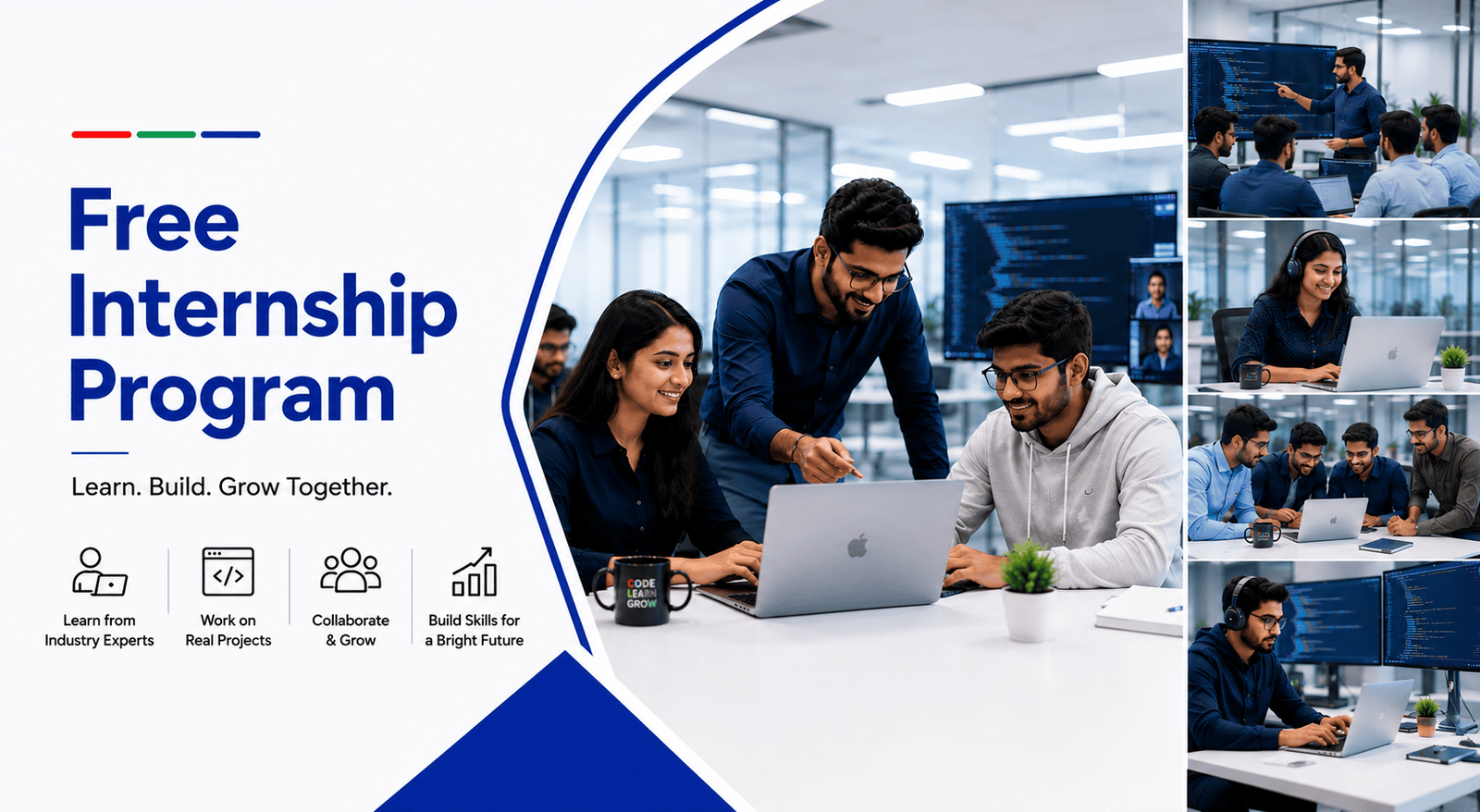
SRNTS Free Internship & Career Launch Program
Transform Your Potential into a Professional Career
The SRNTS Free Internship & Career Launch Program is designed for freshers, recent graduates, and aspiring software professionals who are looking to build a successful career in Microsoft Power Platform but do not yet have industry experience.
This program provides selected candidates with structured training, real-world project exposure, mentorship, and career development opportunities at no cost.
Our objective is to identify talented individuals, develop their technical and professional skills, and prepare them for full-time employment opportunities within SRNTS or our client organizations.
Program Overview
Learn Beyond Theory
The internship program follows a structured learning and development journey that combines technical training with practical project experience.
The program is divided into two stages:
Stage 1: Power Platform Training (2–3 Months)
Selected candidates undergo intensive training focused on building strong technical foundations in Microsoft Power Platform technologies.
Training areas include:
Power Apps
Power Automate
Power Pages
Dataverse
Microsoft Copilot
Azure Integration
Application Development Concepts
Solution Deployment
Industry Best Practices
Project Lifecycle Management
The objective of this phase is to make candidates technically ready for project work.
Stage 2: Project Internship (3–4 Months)
After completing the training phase, candidates participate in practical project activities under the guidance of experienced mentors.
Interns gain exposure to:
Real-world business requirements
Application development
Process automation solutions
Client-oriented projects
Team collaboration
Development best practices
Testing and deployment activities
Project documentation
This phase helps candidates gain valuable hands-on experience similar to working in a professional IT environment.
Eligibility Criteria
The internship program is intended for highly motivated individuals who demonstrate strong learning potential and professional commitment.
Preferred Qualifications
Fresh graduates or final-year students
Basic programming knowledge
Good communication skills
Strong problem-solving abilities
Good academic performance
Positive attitude and willingness to learn
Interest in software development and Microsoft technologies
Meeting the eligibility criteria does not guarantee selection. All applications are reviewed based on the overall assessment process.
Selection Process
To maintain the quality of the internship program, candidates go through a structured evaluation process.
Assessment Areas
Communication Skills
Programming Fundamentals
Logical Reasoning
Technical Aptitude
Academic Performance
Professional Attitude
Learning Capability
Selected candidates will receive an internship offer and onboarding details from the SRNTS team.
What Interns Will Receive
Throughout the internship, candidates benefit from:
Professional Training
Instructor-Led Sessions
Hands-On Learning
Structured Curriculum
Technical Mentorship
Practical Experience
Real Project Exposure
Development Assignments
Team Collaboration
Industry Workflows
Career Development
Resume Guidance
Professional Development
Interview Preparation
Career Mentoring
Industry Readiness
Enterprise Development Practices
Business Communication Skills
Client Interaction Exposure
Software Delivery Processes
Performance Evaluation
Interns are continuously evaluated throughout the program based on:
Attendance and Participation
Technical Progress
Assignment Completion
Project Contribution
Communication Skills
Professional Conduct
Teamwork and Collaboration
Overall Learning Growth
The evaluation process helps identify candidates who demonstrate the potential to succeed in professional software development roles.
Employment Opportunities
One of the key objectives of the internship program is to create employment opportunities for high-performing candidates.
Based on internship performance, project requirements, and business needs, SRNTS may offer the following opportunities:
Direct Employment with SRNTS
Outstanding interns may be offered full-time employment opportunities within SRNTS and become part of our project delivery teams.
Client Placement Opportunities
Qualified interns may also be recommended to SRNTS clients for full-time employment opportunities based on client hiring requirements.
This provides interns with a pathway to launch their careers in the IT industry.
Why Join the SRNTS Internship Program?
Key Benefits
✓ Free Technical Training
✓ Real-World Project Experience
✓ Industry Mentorship
✓ Hands-On Development Exposure
✓ Professional Skill Development
✓ Interview Preparation Support
✓ Career Guidance
✓ Opportunity for Full-Time Employment
✓ Potential Placement with SRNTS Clients
Who Should Apply?
This program is ideal for:
Fresh Graduates
Final-Year Students
Career Starters
Job Seekers
Individuals Interested in Microsoft Power Platform
Candidates Looking for Practical Industry Experience
Important Note
The internship program is highly selective and designed for candidates who demonstrate strong commitment, learning ability, and professional potential.
Selection into the program does not guarantee employment. Full-time opportunities are based on internship performance, business requirements, project availability, and client hiring needs.
Start Your Professional Journey with SRNTS
If you are passionate about technology, eager to learn, and ready to gain real-world industry experience, the SRNTS Free Internship & Career Launch Program can help you take the first step toward a successful career in software development.